

Membrane Pressing vs Vacuum: Forming Pros & Cons
Choosing between membrane pressing and vacuum forming comes down to the parts you make and the volume you run. Both processes laminate shaped pieces with a flexible membrane, and on straightforward work they can produce similar results. The differences surface on deep profiles, tight cycle times, and equipment budgets, which is where one method pulls ahead of the other.
What To Know
| Membrane pressing uses vacuum from below and positive air pressure from above to force laminate into detailed, three-dimensional profiles. Vacuum forming relies on vacuum alone. That mechanical difference drives the trade-off. Membrane pressing delivers finer detail, more uniform pressure, and faster cycles for higher-volume woodworking, while vacuum forming costs less to buy and operate and suits simpler shapes at lower volumes. For curved cabinet doors and intricate 3D laminate work, membrane pressing is the stronger choice. For flat or gently contoured parts in small batches, vacuum forming handles the job for less. |
How Membrane Pressing Works
Membrane pressing forms laminate onto a three-dimensional part using pressure from two directions at once. A flexible membrane, usually silicone or natural rubber, sits above the workpiece. Vacuum draws air out from below to pull the laminate down onto the substrate, while positive air pressure, typically in the 45 to 75 psi range, presses down from above the membrane to drive the material into every profile and edge. Heat activates the adhesive so the glue line bonds completely across the surface.
That two-way pressure is what gives membrane pressing its reach. Even pressure distribution across the whole part produces consistent glue lines and a seamless finish, even on routed faces and deep detail. The systems can be automated and run short cycle times, which supports higher production numbers than a vacuum former can match.
Material versatility widens the fit further. Membrane presses work with natural wood veneer, PVC foils, and thermoplastic laminates, which makes them a mainstay for furniture, cabinetry, and profile-wrapped components in shops that run membranes for woodworking daily. The main trade-off is cost: a membrane press is a larger capital investment than a vacuum former, so the economics favor operations with enough volume to justify the machine.
Read: Silicone vs Rubber
How Vacuum Forming Works
Vacuum forming is a simplified version of thermoforming that shapes laminate using vacuum drawn beneath the part. The laminate sheet is placed over the lay-up table, heat softens it, and as the former closes, vacuum pulls the softened material down onto the substrate. Many vacuum formers use lamp or radiant heat sources, which can create hotter and cooler spots across the lamination surface.
The appeal is economy. Lower setup and equipment costs make vacuum forming a practical choice for small to medium production runs, and the process handles a broad range of colors and textures. Without positive air pressure to drive material into detail, though, it reaches its limits on deep or intricate profiles, and the cycle runs slower because it lacks the pressurized cooling step that speeds a membrane press. Thinner materials and simpler shapes are where vacuum forming performs best.
Membrane Pressing vs Vacuum Forming: Key Differences
Both processes bond laminate to a substrate, but they diverge on detail, cost, speed, and the parts they suit. The table below sets them side by side.
| Factor | Membrane Pressing | Vacuum Forming |
|---|---|---|
| Pressure source | Vacuum below plus positive air pressure above (about 45 to 75 psi) | Vacuum only |
| Detail capability | High; forms deep profiles and intricate 3D shapes | Moderate; best on simpler shapes |
| Pressure uniformity | Even across the entire surface | Less consistent on complex parts |
| Cycle speed | Faster, with a pressurized cooling step | Slower |
| Production volume | Medium to high | Low to medium |
| Equipment cost | Higher | Lower |
| Typical materials | Wood veneer, PVC foil, thermoplastic laminates | Thinner foils and laminates |
The pattern is consistent. Membrane pressing wins on capability and throughput; vacuum forming wins on upfront cost. The two overlap in the middle ground of moderately contoured parts at moderate volume, and that is where the decision needs a closer look at your own production mix.
When to Use Membrane Pressing vs Vacuum Forming
The right process follows from four questions about the work in front of you.
- Part complexity. Deep profiles, routed faces, and tight radii need the positive pressure of a membrane press to form cleanly. Flat panels and gentle curves are within reach of a vacuum former.
- Production volume. High daily output rewards the faster cycles and automation of membrane pressing. Occasional or small-batch work rarely justifies the machine.
- Finish requirements. Seamless, high-detail surfaces for furniture and cabinetry point to membrane pressing. Less demanding finishes leave room for vacuum forming.
- Budget. A tighter capital budget favors vacuum forming, while volume and finish demands can make the membrane press the lower cost per part over time.
Membrane thickness and hardness also shape how either process performs on a given part, and matching the membrane to the job is often the difference between a clean pull and a rejected part. Our guide on how to choose a silicone membrane sheet for vacuum pressing walks through that selection in detail.
Choosing the Right Membrane for Both Processes
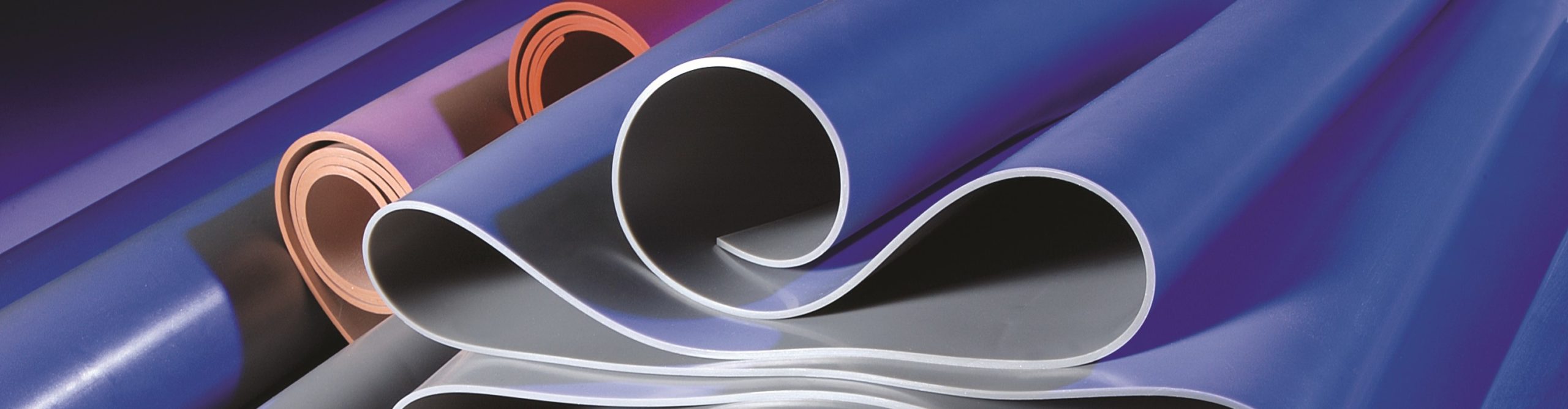
Both processes depend on the membrane to deliver the desired shape and surface finish, which makes membrane selection as important as the machine. The right material, hardness, thickness, and texture determine how evenly pressure distributes, how well the membrane forms into detail, and how many cycles it lasts before it needs replacing.
Smartech supplies silicone and rubber vacuum press membranes as the exclusive North American distributor for Steinbach AG, with options matched to the demands of each process. Silicone handles high heat and holds detail on intricate work, while natural rubber offers durability and elasticity for repeated pressing. For shops moving into carbon fiber or resin work, the same expertise extends to membranes for composite forming, where uniform pressure and clean release matter just as much.
Get the Right Membrane for Your Process
Whether you run a membrane press or a vacuum former, the membrane is what turns pressure into a finished part. Smartech has supplied niche woodworking and composites manufacturers with Steinbach membranes since 1998, backed by application engineering that helps you match the material to your process rather than guess at it. Tell us about your parts and production, and we will help you specify the membrane that fits. Contact Smartech to talk through your application.
Frequently Asked Questions
How does a membrane press work?
A membrane press applies vacuum from below the workpiece to pull laminate onto the substrate, then adds positive air pressure from above the membrane to force the material into detailed profiles. Heat activates the adhesive so the bond sets across the whole surface. The result is even pressure and a seamless finish on three-dimensional parts.
What is a membrane press used for in cabinet making?
Membrane presses are widely used to laminate curved cabinet doors, drawer fronts, and profile-wrapped components. The even pressure lets a single cycle wrap veneer or foil around routed edges and contours without folds, which is why furniture and cabinetry shops rely on the process for detailed 3D laminate work.
Is vacuum forming the same as membrane pressing?
They are related but not identical. Vacuum forming uses vacuum alone to shape laminate, while membrane pressing adds positive air pressure above the membrane. In woodworking the terms are sometimes used loosely, but that added pressure is what separates a membrane press from a basic vacuum former.
What pressure does a membrane press use?
Positive air pressure above the membrane typically falls in the range of 45 to 75 psi, applied on top of the vacuum drawn below. That combination forces the laminate into deep detail and strengthens the bond along edges.
Can the same membrane be used for both processes?
A silicone or rubber membrane can serve both vacuum forming and membrane pressing, but the ideal hardness and thickness depend on the parts and pressures involved. Matching the membrane to the process protects both part quality and membrane life.
Looking for More Information?
Check out our Resources or Contact Us