

Types of Glass Used in Construction and Their Properties
Glass plays a significant part in modern construction. It supports energy efficiency, safety, aesthetics, and long-term durability across commercial and industrial projects. With so many types of glass available, choosing the right one depends on performance needs such as insulation, strength, visibility, heat resistance, and safety. Understanding how each option behaves helps teams select materials that support consistent quality throughout a building’s lifespan.
What Are the Common Types of Glass?
Construction projects utilize a range of glass types, each with distinct properties. The main categories include:
Float Glass
Float glass is the most common type used in windows and facades. It is manufactured by floating molten glass over a bed of molten tin, creating a uniform thickness and smooth surfaces. Float glass provides clarity, workability, and cost efficiency. While it is suitable for standard glazing, it has limited impact resistance and can break into sharp shards, so it is often used in low-risk areas or layered with interlayers for safety.
Tempered Glass
Tempered glass undergoes a thermal treatment process that rapidly cools heated glass, introducing internal stresses. These stresses make it four to five times stronger than standard float glass. When broken, tempered glass shatters into small blunt fragments, reducing the risk of injury. Its strength and predictable break pattern make it suitable for doors, facades, and areas subject to high impact.
Laminated Glass
Laminated glass consists of two or more layers of glass bonded together with a plastic interlayer such as polyvinyl butyral (PVB) or ethylene-vinyl acetate (EVA). The interlayer holds fragments in place when cracked, improving safety and sound insulation. Laminated glass is ideal for skylights, exterior façades, and areas requiring additional security or noise reduction. Manufacturing teams often rely on flexible and heat-stable materials to maintain consistent pressure during lamination. Smartech supplies specialized Silicone Rubber Membranes for Glass Lamination that ensure precision and high-quality bonding.
Insulated Glass Units (IGUs)
Insulated glass units are composed of two or more glass panes separated by a spacer and sealed to create an air or gas-filled cavity. This design improves thermal insulation, reduces condensation, and enhances energy efficiency. IGUs are commonly used in curtain walls, commercial windows, and energy-conscious projects. Pairing IGUs with tempered or laminated glass increases safety while maintaining energy performance.
Heat-Strengthened Glass
Heat-strengthened glass is treated at lower temperatures than tempered glass, giving it moderate strength while allowing it to break into larger fragments than tempered glass. It is often used in applications where some impact resistance is needed without full tempered strength, such as in low- to medium-rise windows or architectural panels.
Low-Iron Glass
Low-iron glass removes the green tint present in standard glass, producing higher clarity and color neutrality. This glass is popular in showcase windows, curtain walls, and glass floors where aesthetic quality and transparency are critical. Low-iron glass can also be combined with laminated or tempered layers to enhance safety and structural performance.
Read more: Laminated vs Tempered Glass
Properties That Affect Glass Selection
When choosing the right glass for a construction project, understanding key performance characteristics is crucial. These include:
Strength and Impact Resistance
Different types of glass have varying resistance to impact, bending, and stress. Tempered and laminated glass provide enhanced protection against accidental damage and environmental forces, whereas float glass is best suited for low-risk applications.
Safety and Shatter Behavior
Safety glass, including laminated and tempered types, reduces injury risk when broken. Laminated glass holds shards together, maintaining barrier function, while tempered glass fragments into small, blunt pieces. Proper selection depends on the building’s intended use and local safety codes.
Thermal Performance
Glass contributes to energy efficiency in buildings. Insulated units and coated glass can regulate heat transfer, reducing HVAC loads. Heat-strengthened and laminated options withstand higher temperature variations, minimizing thermal stress and potential breakage.
Acoustic Properties
Sound insulation is increasingly important in urban environments. Laminated glass with appropriate interlayers can significantly reduce noise transmission. Insulated glass units enhance this effect further by adding air or gas layers between panes.
UV Protection
Certain laminated glass types filter out UV rays, helping preserve interior finishes and protecting occupants. Low-iron and coated glasses also contribute to controlling heat gain and UV exposure while maintaining transparency.
Durability and Environmental Resistance
Glass in construction must withstand weather, moisture, and chemical exposure. Tempered and laminated glasses are often selected for façades, skylights, and high-traffic areas due to their resilience and longevity.
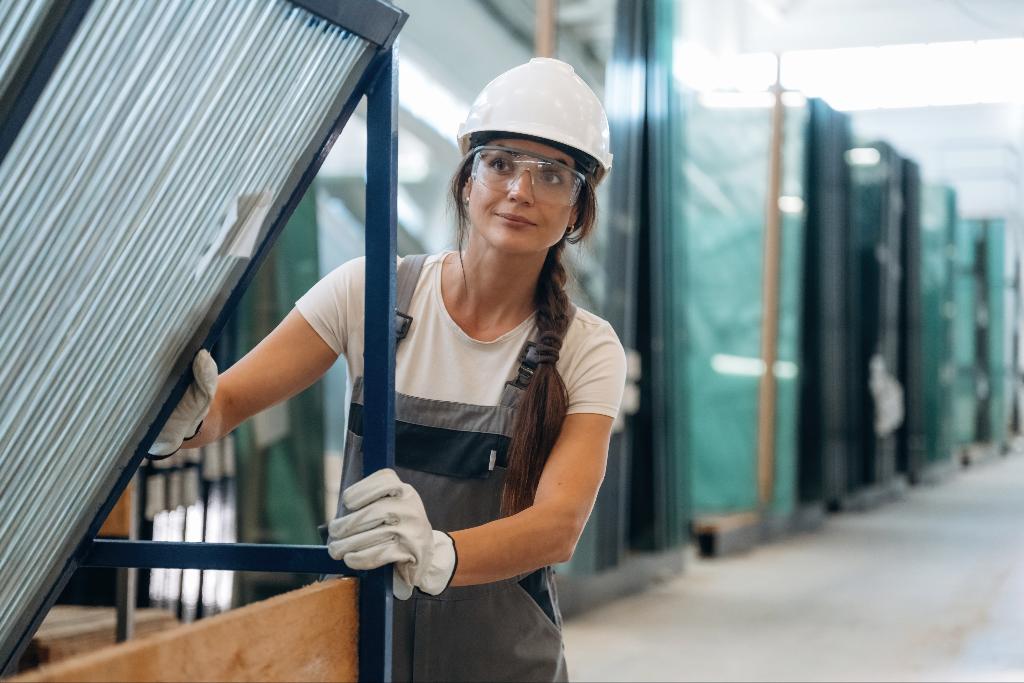
Applications of Different Glass Types
Selecting the right glass type depends on the building’s purpose, design, and safety requirements. Common applications include:
- Facades and Curtain Walls: Tempered or laminated IGUs provide strength, energy efficiency, and safety in high-rise buildings.
- Windows and Doors: Float glass with laminated or tempered layers ensures clear views and occupant protection.
- Skylights and Canopies: Laminated glass enhances safety while allowing natural light into spaces.
- Interior Partitions: Laminated and low-iron glass offer aesthetic clarity, noise reduction, and safety in offices or commercial areas.
- Specialty Installations: Glass floors, balustrades, and automotive glazing utilize laminated and tempered glass for structural integrity and protection.
Choosing the appropriate glass type involves balancing aesthetic, functional, and safety considerations to meet both design goals and code requirements.
Achieve Precision and Safety in Your Glass Projects with Smartech
Selecting the right types of glass and pairing them with reliable lamination materials directly impacts project quality, safety, and efficiency. Aligning glass characteristics with operational demands enhances performance and reduces operational challenges.
At Smartech, we provide a comprehensive range of high-quality Silicone & Rubber Membranes designed for glass lamination and forming processes. Our membranes are engineered for flexibility, durability, and consistent performance across various construction and industrial applications.
Connect with Smartech today to explore solutions that optimize your glass projects, improve process efficiency, and deliver long-lasting, reliable results for commercial and architectural applications.
Looking for More Information?
Check out our Resources or Contact Us