

Choosing the right attic insulation materials ensures consistent thermal performance, lower energy demands, and lasting structural efficiency. Climate conditions influence how insulation behaves, affecting heat transfer, moisture balance, and long-term durability. Selecting materials that match regional temperature and humidity patterns helps maintain stable indoor conditions and optimize energy use year-round.
How Climate Impacts the Performance of Attic Insulation Materials
Climate directly shapes how insulation behaves in an attic. In colder regions, the goal is to retain heat and prevent energy loss through the roof, which makes materials with higher R-values more effective. In hot or sunny climates, insulation works to block radiant heat from entering the space below. Reflective insulation performs particularly well here, helping to maintain indoor temperatures and reduce cooling loads.
Humidity adds another variable that can’t be overlooked. When insulation absorbs moisture, its thermal efficiency drops, and the risk of mold increases. This is where moisture-resistant options such as closed-cell spray foam or rigid foam boards prove valuable. The most reliable attic insulation materials are those that balance heat flow, moisture protection, and long-term durability across changing weather conditions.
Common Types of Attic Insulation Materials
Choosing the right insulation begins with knowing how each material performs under different conditions. Below are the most common attic insulation materials and where they work best.
Fiberglass Insulation
Fiberglass is one of the most common options because it’s lightweight, affordable, and easy to install. It provides a solid R-value and performs well in a variety of climates. However, it’s best used in areas with controlled humidity since moisture can reduce its insulating efficiency.
Cellulose Insulation
Made from recycled paper treated with fire retardants, cellulose is dense and provides strong thermal resistance. It’s highly effective in colder climates because it minimizes air movement and heat loss. With proper vapor barriers, it can also work in mild or moderately humid environments.
Spray Foam Insulation
Spray foam expands on application, sealing cracks and gaps while providing insulation. Closed-cell versions resist moisture, making them ideal for humid or mixed climates. They also create an air-tight layer that enhances energy efficiency and prevents temperature fluctuations.
Reflective Insulation
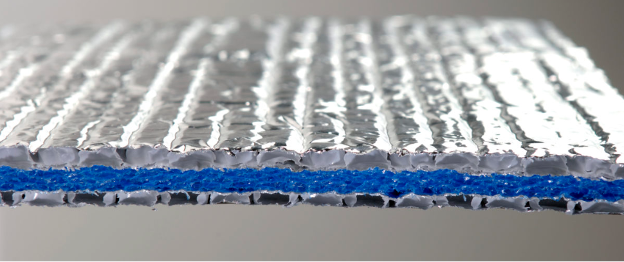
Reflective insulation uses metallic foil surfaces to deflect radiant heat, making it a strong choice for hot or sunny regions. It reduces heat transfer from the roof, keeping interior spaces cooler and minimizing energy use. It can also be combined with other materials to enhance overall performance.
Mineral Wool Insulation
Mineral wool, also known as rock wool, is naturally fire-resistant and performs consistently in both hot and cold climates. It offers good sound absorption, maintains its shape over time, and resists moisture absorption, which helps preserve its R-value in damp conditions.
Rigid Foam Boards
Rigid foam boards provide high R-values per inch and resist water intrusion, making them suitable for a range of climates. They’re especially effective in confined attic spaces or where a continuous insulation layer is needed. When paired with reflective insulation, they deliver excellent temperature control.
Step-by-Step Guide to Choosing the Right Attic Insulation Materials for Your Climate
Selecting the right insulation requires a careful look at climate conditions, building structure, and performance goals. The steps below outline how to evaluate these factors and identify the most effective attic insulation materials for each environment.
1. Identify Your Regional Climate
Start by understanding your local climate zone, whether it’s cold, hot, humid, or mixed. Climate determines which insulation properties matter most. Cold regions need higher R-values to prevent heat loss, while hot climates benefit from reflective insulation that blocks radiant heat.
2. Determine the Recommended R-Value for Your Area
The R-value measures how well insulation resists heat flow. Areas with long winters require higher R-values to keep heat in, while warmer regions can use moderate R-values paired with radiant barriers for better cooling efficiency. Always check local energy standards to ensure compliance and performance.
3. Evaluate Moisture and Vapor Resistance
Humidity can compromise insulation performance and cause mold growth. In coastal or damp climates, closed-cell spray foam or rigid foam boards work well because they resist vapor and block condensation. Good attic ventilation also helps maintain insulation efficiency.
4. Review Fire Resistance and Safety Ratings
Fire safety is an important factor when selecting insulation. Materials such as mineral wool or fiberglass offer natural fire resistance and meet strict building standards. Using insulation with a proper fire rating enhances overall safety and long-term building protection.
5. Consider Installation Method and Accessibility
Attic layout influences how insulation should be applied. Spray foam suits irregular or tight spaces, while fiberglass batts and blown-in cellulose work better in large, open areas. Consider how installation complexity and labor may affect cost and performance.
6. Assess Longevity, Maintenance, and Overall Cost
Think long-term when comparing options. Some attic insulation materials can last decades with minimal upkeep, while others may settle or lose efficiency over time. Balancing durability, replacement needs, and energy savings ensures the best return on investment.
7. Consult a Professional for Tailored Recommendations
When possible, seek guidance from insulation specialists who can evaluate your building’s structure, local conditions, and energy targets. Expert input ensures the chosen insulation delivers reliable performance for your specific climate and long-term goals.
Achieve Optimal Climate Control with Smartech
Matching insulation to the environment helps maintain balanced temperatures, lower energy use, and consistent building performance. Materials that manage heat transfer and moisture effectively provide lasting protection and better comfort throughout the year.
At Smartech, we provide a range of high-quality Insulation Solutions designed for reliability and efficiency. Our advanced Reflective Insulation is built to perform under diverse climate conditions, helping control heat flow and prevent moisture buildup in attics and other spaces. We focus on durability, precise standards, and long-term performance to meet demanding residential and commercial needs.
Contact our team to discover how our insulation solutions can improve protection and performance in your next project.
Looking for More Information?
Check out our Resources or Contact Us