

A reliable fireproof insulation material plays an important part in keeping commercial buildings safe, efficient, and compliant with building standards. It helps protect property and people during fire exposure while improving temperature control and long-term energy performance. Using the right materials strengthens structural resilience, supports safety regulations, and lowers insurance risks, all while contributing to a more durable and energy-efficient building design.
What Is Fireproof Insulation and Why Does It Matter in Commercial Buildings
A fireproof insulation material is designed to resist high temperatures and slow the spread of flames and smoke during a fire. It acts as a protective barrier that limits heat transfer through walls, ceilings, and structural elements, helping maintain building integrity and giving more time for emergency response.
These materials are evaluated under recognized standards such as ASTM E84 and NFPA 275, which measure flame spread and smoke development. Meeting these ratings ensures that insulation performs safely and reliably under demanding conditions, supporting compliance with commercial construction codes while enhancing occupant safety and long-term performance.
Top Fireproof Insulation Materials Used in Commercial Buildings
Different types of fireproof insulation materials are used in commercial buildings, each with specific benefits for heat and fire resistance, energy control, and structural safety. Understanding their performance helps identify the best option for long-term protection and efficiency.
Mineral Wool
Mineral wool, which includes rock wool and slag wool, is a fireproof material that can withstand temperatures over 1000°C. It effectively slows heat transfer and resists flame spread, making it suitable for walls, ceilings, and mechanical rooms. Its dense structure also provides acoustic insulation, adding value in both industrial and commercial buildings.
Fiberglass Insulation
Fiberglass insulation is a fire-resistant material with a Class A fire rating, indicating low flame spread and smoke development. It performs well in moderate heat conditions up to around 540°C. When properly installed, it provides reliable thermal control and safety in offices, schools, and retail environments.
Calcium Silicate Boards
Calcium silicate boards are fire-resistant and can handle temperatures up to 1000°C without losing strength. Their rigid composition maintains stability under high heat and moisture, making them ideal for ducts, process equipment, and fire-rated walls where consistent insulation and protection are required.
Ceramic Fiber Insulation
Ceramic fiber insulation is a fireproof material designed for extreme heat exposure, capable of withstanding temperatures up to 1260°C. It is lightweight and flexible yet provides strong thermal protection in high-temperature environments such as mechanical rooms, furnaces, and boiler systems.
Reflective Insulation
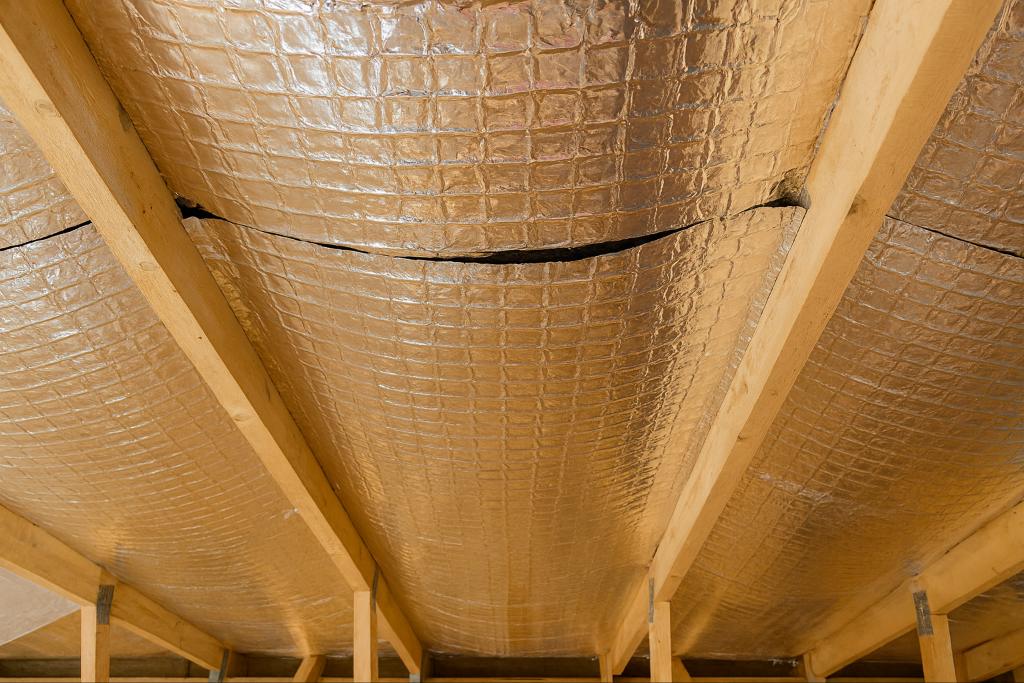
Reflective insulation is a fire-resistant option that works as a radiant barrier to reduce heat transfer while improving fire performance when layered with other materials. When paired with a fire-rated substrate, it can meet Class A standards, making it ideal for energy-efficient commercial spaces where safety and heat control are priorities.
Factors to Consider When Choosing a Fireproof Insulation Material
Selecting the right fireproof insulation material means evaluating factors that influence safety, efficiency, and durability. Each consideration helps ensure lasting protection and reliable performance in commercial buildings.
Fire Rating and Safety Standards
Choose insulation materials that meet recognized standards such as ASTM E84 or NFPA 275. A Class A fire rating indicates excellent resistance to flame spread and smoke generation, ensuring compliance with commercial building codes and higher levels of safety.
Read more: Choosing R-Value for Insulation of Exterior Walls
Thermal Performance
Evaluate the insulation’s R-value, which measures its ability to resist heat flow. A higher R-value means better thermal control, improved energy efficiency, and consistent indoor comfort across large commercial spaces.
Durability and Moisture Resistance
Long-lasting insulation should resist moisture, corrosion, and compression over time. These qualities help maintain its fire protection and thermal performance, reducing maintenance and replacement needs.
Installation and Compatibility
Select insulation that integrates easily with existing wall, ceiling, or duct systems. Compatibility with other materials ensures complete fire protection and stable performance throughout the building envelope.
Read: How To Best Insulate Metal Buildings for Cost & Durability
Strengthen Building Safety and Efficiency with Smartech Solutions
Choosing the right fireproof insulation material strengthens building safety, improves energy efficiency, and ensures long-term performance. Materials that combine fire resistance, thermal stability, and durability help maintain consistent results even in demanding environments.
Smartech offers a wide range of advanced thermal and insulation solutions, including QUATTRO reflective insulation, developed to improve protection, efficiency, and comfort across commercial and industrial projects. Each product is engineered with precision, tested for reliability, and designed to meet strict quality and safety standards.
Get in touch with our experts to explore fire-resistant insulation solutions that improve safety, energy efficiency, and overall building performance.
Looking for More Information?
Check out our Resources or Contact Us