

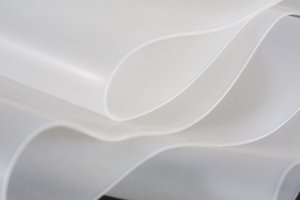
Save time, reduce disposable waste, and keep cycles consistent with reusable vacuum bags for composites from Smartech. Tell us about your part size, tooling, temperatures, and process, and we will match you with the right Steinbach silicone membrane material and bag design for your workflow.
We take confidentiality seriously. If you prefer, send an NDA and we can discuss your application in detail, including material selection, sealing approach, and the best construction method for repeatable results.
Teams use Smartech reusable bagging sheets and reusable vacuum bags for composites on vacuum tables, vacuum formers, and custom frames for common processes such as
- Debulking
- Hand and wet lay up
- Prepreg
- Resin infusion
Call 704-362-1922 to talk through your process and get a clear recommendation on material, thickness, and fittings.
Vacuum Bagging Materials That Protect Part Quality
Your bagging material influences resin distribution, fiber consolidation, and how well air is removed from the laminate. When the membrane conforms cleanly and seals reliably, you get steadier pressure across the layup and fewer defects tied to wrinkles, bridging, or inconsistent compaction.
Smartech stocks a wide range of silicone and rubber membrane options and supports composite teams that need repeatable cycles across changing part geometries. If you are unsure where to start, share your cure temperature, part profile, and how often you expect to run the bag.
What a Reusable Vacuum Bag Must Do On a Composite Tool
A vacuum bag has a simple job, but composite production is rarely simple. A reusable bag must
- Hold negative pressure without creep or weak points
- Stay flexible enough to conform to corners, channels, and contours
- Maintain performance at your operating temperature and cycle length
In real production, it also needs to handle daily layup activity without tearing, shifting, or creating surface issues. Steinbach high elongation silicone materials are designed to conform well, which helps reduce bridging while keeping the layup clean and controlled.
Custom Reusable Vacuum Bags for Composites
Steinbach reusable bags are built to support long-running composite workflows where disposable films add labor and waste. Smartech works with you to define the bag layout, material width, and construction approach that fits your tooling and handling style.
Typical builds are made to your dimensions and can be configured for common shop setups, including vacuum tables, vacuum formers, and framed systems. High elongation mixtures help the bag settle into deeper features without fighting the part geometry.
If you are transitioning from disposable bagging film, we can help you compare your current stack, leak points, and cure conditions so the reusable bag performs reliably from the first run.
Reusable Vacuum Bag Options for Composite Production
Composite teams often need the bag to match the way the tool is plumbed and monitored. Smartech can support configurations such as
- Multiple durometers for handling feel and durability goals
- Smooth or textured surfaces depending on release and grip preferences
- Vertical or horizontal vacuum valve fittings to suit your setup
- Thermocouple pass-through options for temperature monitoring
These details can reduce rework during setup, keep the seal consistent, and help standardize cycles across shifts.
Advantages of Reusable Vacuum Bags for Composites
Reusable vacuum bags for composites can reduce recurring material spend and cut the time tied to rebuilding disposable bag stacks. They can also help stabilize quality when your process depends on consistent pressure and clean conformance.
Common benefits include reduced consumable usage, lower trash volume, fewer bag-rebuild steps, and improved repeatability across similar parts. The best gains come when the material choice, thickness, and fittings match the part geometry and cure environment.
Call 704-362-1922, and we will recommend a reusable bagging solution that fits your parts, temperatures, and production pace.
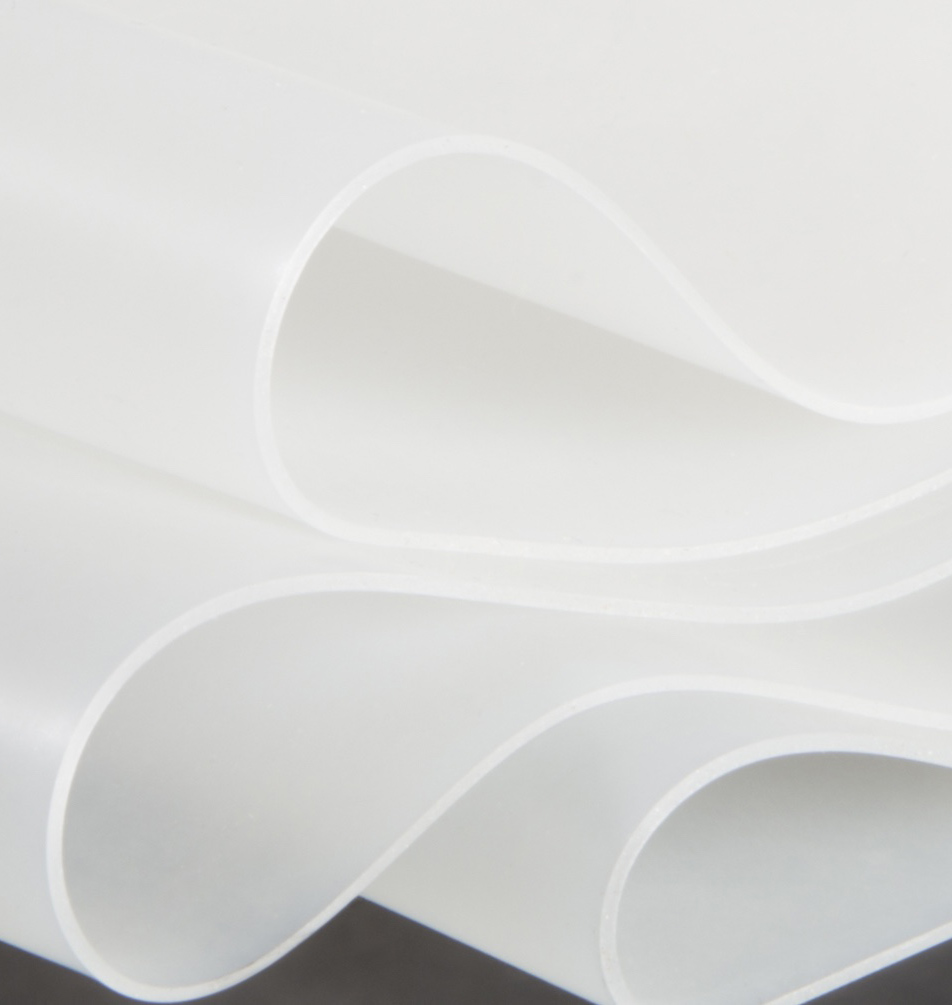
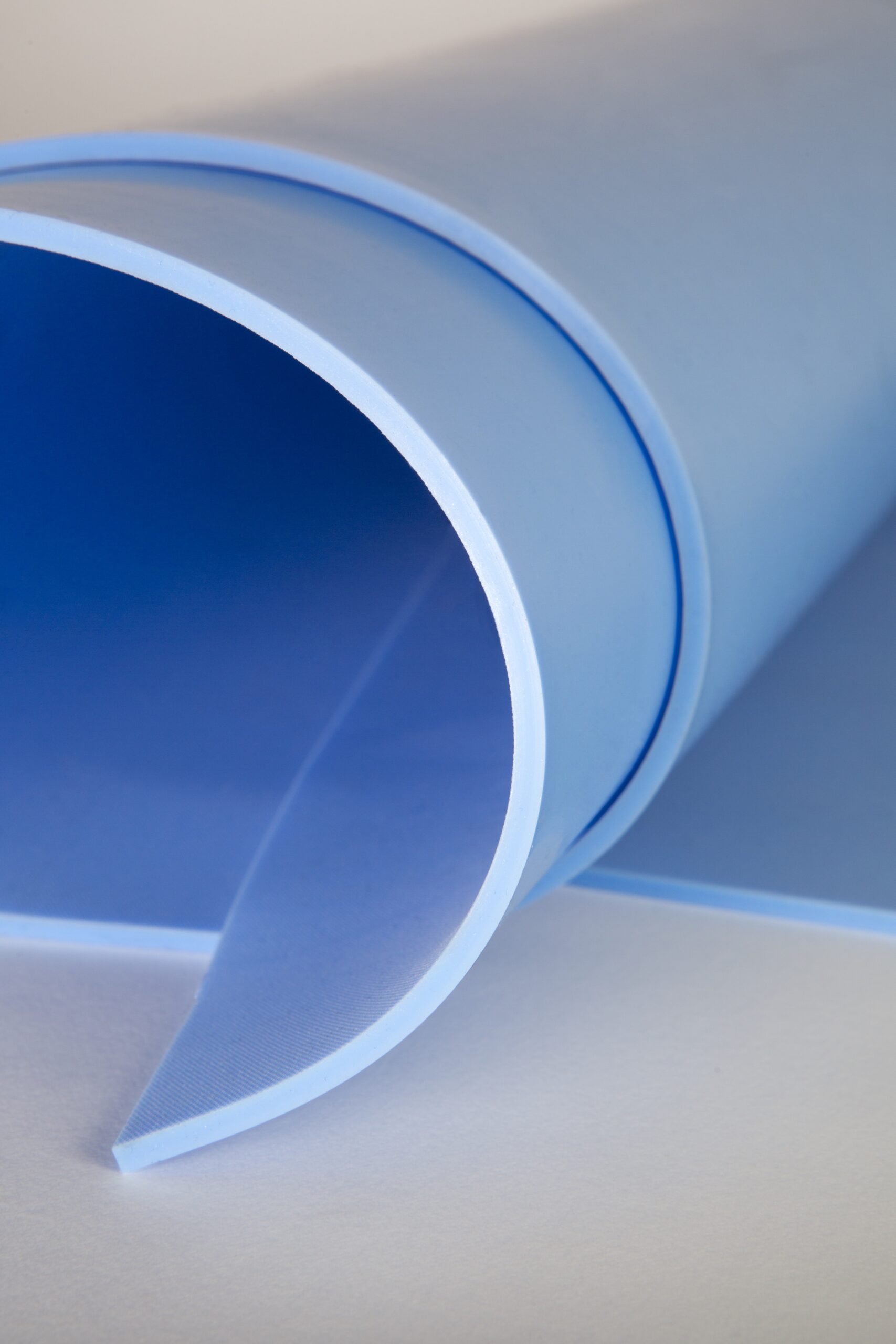
Silicone Membrane Products Available for the Composite Industry
Reusable Vacuum Bagging for Composite FAQs
How long do reusable vacuum bags for composites typically last
Service life depends on temperature, handling, and cycle frequency. In controlled composite production environments, silicone reusable vacuum bags can support many cycles without loss of sealing performance or flexibility when properly cared for and matched to the cure profile.
Can reusable vacuum bags be used for different composite processes
Yes. Reusable vacuum bags for composites are commonly used for debulking, hand and wet lay up, prepreg processing, and resin infusion. Material selection and thickness should align with the process pressure, temperature range, and part geometry to maintain consistent results.
Read more: How to Choose the Right Silicone Membrane Thickness
Do reusable vacuum bags work with complex part shapes
High elongation silicone materials are designed to conform to deep contours, channels, and radii. When sized and constructed correctly, reusable bags can reduce bridging and maintain even pressure across complex composite tools.
What information is needed to specify a reusable vacuum bag
Key details include part dimensions, tool surface, operating temperature, cure cycle length, vacuum connection preferences, and how the bag will be handled between cycles. Sharing this information helps ensure the reusable vacuum bag for composites performs reliably in production.
Looking for More Information?
Check out our Resources or Contact Us